
Long Filler Cigar Tobacco Blend Types Explained
Last Updated: November 22, 2026
Quick Summary
A long filler cigar uses whole, unbroken tobacco leaves that run the full length of the cigar from cap to foot, bunched by hand so the leaves stay intact. The filler is built from three main primings: seco for aroma and burn, viso for body and depth, and ligero for strength and spice, with volado added to fix the burn. Most blends lean on seco as the largest share, add viso for body, and finish with a touch of ligero.
- Long filler burns cool and even and holds a long ash, while short filler burns hot and fast.
- Seco is the lower-middle leaf and makes up the largest share of most blends.
- Ligero is the top leaf and brings the most strength, so a little goes a long way.
- Volado is the bottom leaf and burns better than any other priming.
- Add ligero in small steps and stop before the smoke turns harsh.
Table of Contents
- What Long Filler Cigar Tobacco Actually Is
- Long Filler vs Short Filler Cigars: Construction and Burn
- Seco, Viso, and Ligero Tobacco: The Three Filler Primings
- Long Filler Cigar Tobacco Blend Types Chart
- How Origin, Seed, Soil, and Curing Change a Leaf’s Role
- Building a Long Filler Blend Step by Step
- Troubleshooting Common Blend Problems
- Long Filler Cigar Brands Worth Knowing
- Frequently Asked Questions
What Long Filler Cigar Tobacco Actually Is
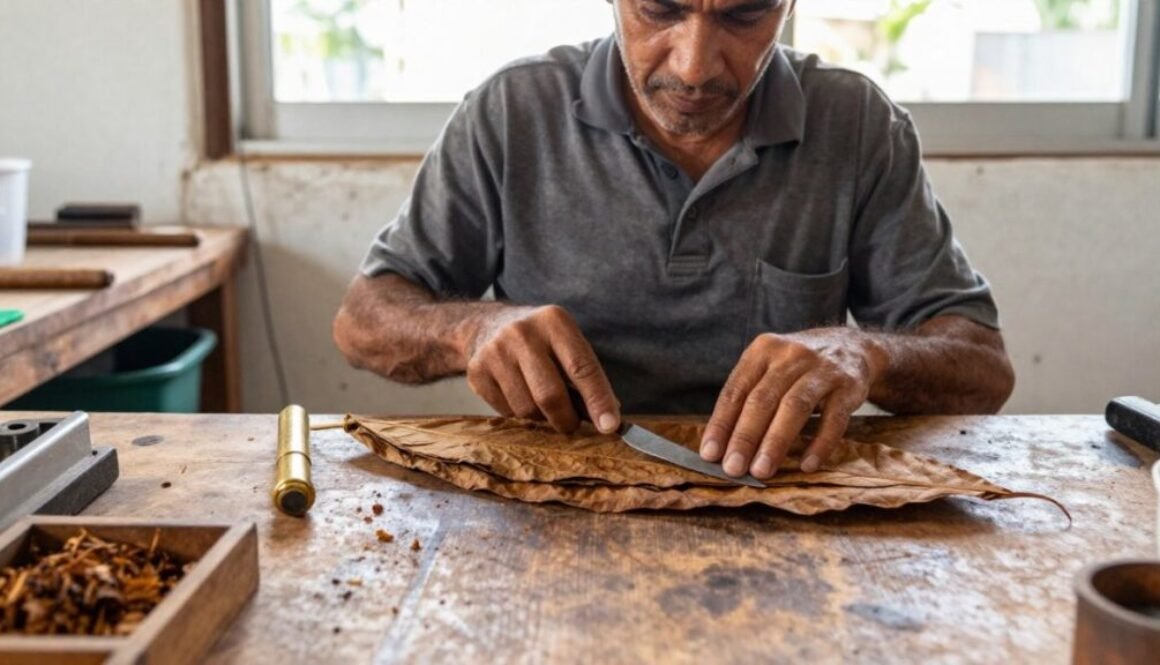
Long filler cigar tobacco is whole, unbroken leaf that runs the full length of a cigar, from cap to foot. Rollers bunch these leaves by hand so they stay intact. That simple fact explains why long filler cigars cost more, burn slower, and taste more complex than machine-made cigars.
Whole leaves give you a cleaner burn and a fuller smoke. Broken leaves give you ash that falls apart and a hot, thin draw.
The filler sits at the heart of every cigar. It makes up most of the tobacco you taste, and it decides how strong the smoke feels. The wrapper and binder hold it together, but the filler does the talking.
Below, we break down the blend types, the leaf primings, and how to build a blend that smokes well.
Long Filler vs Short Filler Cigars: Construction and Burn
The core difference between long filler vs short filler cigars comes down to leaf length. Long filler uses whole leaves laid lengthwise. Short filler uses chopped scraps and trimmings packed into a tube.
That gap changes everything about how the cigar smokes.
- Long filler: burns cool and even, holds a long ash, and develops flavor as it goes
- Short filler: burns hot and fast, drops ash early, and smokes the same from start to finish
- Long filler: needs a skilled roller, which raises the price
- Short filler: suits machine rolling and cheap bundles
A common mistake is judging a cigar by its wrapper alone. The wrapper adds aroma, but the filler drives strength, body, and the bulk of the flavor. A beautiful wrapper over short filler still smokes like short filler.
Whole-leaf construction also affects the draw. Leaves placed with care leave air channels between them. Chopped tobacco packs tight, and a tight pack means you pull hard for little smoke.
Seco, Viso, and Ligero Tobacco: The Three Filler Primings
Cigar tobacco is sorted by where the leaf grew on the stalk. Each priming gets a different name, and each does a different job in the blend.
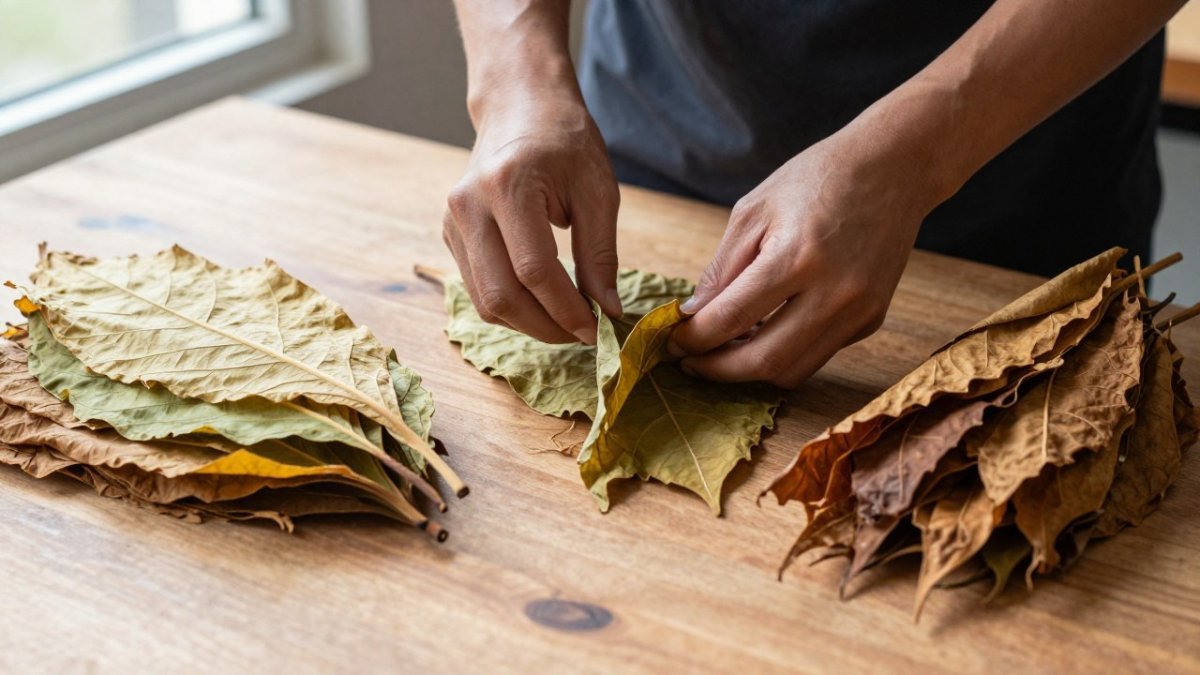
Seco is the lower-middle leaf. It is mild, dry, and burns well. Seco gives a blend its aroma and its easy burn, and it makes up the largest share of most blends.
Viso is the upper-middle leaf. It is richer than seco, with more body and a rounder flavor. Viso sits between mild and strong and adds depth without heat.
Ligero is the top leaf. It gets the most sun, holds the most oil, and brings the most strength. A little ligero goes a long way. Too much and the blend turns harsh and hard to draw.
If you want to choose a strength that suits your taste, how to pick cigar strength with confidence walks through the decision.
Volado and the Priming Chart
Volado is the bottom leaf, and it is the quiet workhorse of the blend. It is mild and light, but it burns better than any other priming. Blenders add volado to fix a slow or uneven burn.
Here is the priming order, from the ground up:
- Volado: bottom leaf, mild, best burn
- Seco: lower-middle leaf, aroma and easy burn
- Viso: upper-middle leaf, body and depth
- Ligero: top leaf, strength and oil
Long Filler Cigar Tobacco Blend Types Chart
A long filler cigar tobacco blend types chart makes the leaf roles easy to compare. Use this reference when you read a blend description or plan your own mix.
| Leaf Type | Strength | Burn | Flavor Role | Typical Share |
|---|---|---|---|---|
| Volado | Mild | Best | Supports even burn | Small |
| Seco | Mild to medium | Strong | Aroma and smoothness | Largest |
| Viso | Medium | Good | Body and depth | Medium |
| Ligero | Strong | Slow | Power and spice | Small |
Most blends lean on seco, add viso for body, and finish with a touch of ligero. Volado fills the gaps. The exact ratio is the blender’s signature, and no two makers agree.
How Origin, Seed, Soil, and Curing Change a Leaf’s Role
The same priming can behave in wildly different ways depending on where it grew.
Separate the two classification systems first. Priming names, volado, seco, viso, ligero, describe where the leaf grew on the stalk. Variety and origin names, Piloto Cubano, Corojo, Criollo, Nicaraguan, Dominican, Brazilian Mata Fina, describe the plant and the place. A Nicaraguan ligero and a Dominican ligero are both top-stalk leaves, but they are not interchangeable in a blend.
Seed and variety set the ceiling. Piloto Cubano seed, originally Cuban, tends to produce a rounded, classic profile with moderate strength. Corojo is known for spice and a peppery finish. Criollo tends to run smoother and milder.
Soil and climate shift the expression. The same seed grown in two regions can produce leaves that smoke like different primings.
Curing and fermentation change the leaf’s role. Leaves dried slowly in a barn develop deeper color and rounder flavor. Leaves dried fast stay pale and thin. Fermentation then strips out harshness and builds the aroma you taste.
What this means for blending. Do not assume a leaf name tells you everything. A viso from one farm can smoke stronger than a ligero from another.
A common mistake is assuming a leaf name tells you everything. A viso from one farm can smoke stronger than a ligero from another. Judge the leaf, not just the label.
Building a Long Filler Blend Step by Step
Building a blend is part science and part trial. Start simple, change one thing at a time, and keep notes.
- Set your target. Decide the strength and body you want before you touch a leaf.
- Pick a base. Choose a seco for aroma and burn, and make it the largest share.
- Add body. Work in viso until the smoke feels round and full.
- Add power. Add ligero in small steps. Stop before the smoke turns harsh.
- Fix the burn. If the blend burns slow or uneven, add a little volado.
- Test with a small batch. Roll a few cigars and smoke them at different ages.
- Adjust and record. Change one leaf at a time and write down every result.
Watch out: adding ligero to fix a weak blend is the most common error. It raises strength but can wreck the burn and bury the aroma. Fix strength last.
Troubleshooting Common Blend Problems
Most blend problems trace back to one leaf doing too much or too little, but the symptom you taste is rarely the leaf you need to change.
Diagnose in this sequence: construction and moisture first, then burn, then strength, then flavor. A tight draw or wet cigar will mimic almost every other fault, so rule those out before you touch the blend.
- Harsh, hot smoke: usually too much ligero, but confirm the cigar is not overhumidified first. Cut ligero back in small steps and raise the seco share to restore aroma. If harshness persists after ligero is reduced, the leaf may be under-fermented rather than over-represented.
- Bland, flat flavor: too little viso or seco aroma leaf. Add body before you add strength; adding ligero to a flat blend raises heat without restoring flavor.
- Uneven burn: not enough volado, or leaves packed too tight. Volado is the burn-fixing priming, so add it in small increments and re-test. If the burn still tunnels, check bunch density before adding more leaf.
- Tight draw: overpacked filler or leaf that is too moist. Loosen the bunch, reduce the number of half-leaves, and check moisture before rolling. A draw that is tight at the foot but open at the cap points to a bunching problem, not a blend problem.
- Bitter finish: leaf that was not cured or fermented long enough, or ligero placed too close to the head. Bitter finish that arrives in the last third often means the ligero is concentrated at the head rather than distributed through the bunch.
- Ash that flakes or drops early: too much short or broken leaf in the bunch, or seco that is too dry. Long filler should hold a firm ash; early drop points to construction or moisture before it points to the blend.
Isolate one variable at a time. Roll a small control batch, change a single leaf share by a measured amount, and smoke the control and the variant side by side. Make adjustments large enough to taste but small enough to reverse.
Keep a blend log. Record the leaf, origin, priming, share by weight, rolling date, and smoking date for every batch. Without a log you cannot tell whether a change in the smoke came from the blend, the age, or the humidity.
Storage plays a role too. If you are chasing a burn problem, rule out humidity first. How to store cigars properly for peak flavor covers the conditions that keep a blend smoking the way the roller intended.
Long Filler Cigar Brands Worth Knowing
Some brands have built their name on long filler blends, and they are a good place to start. Oliva, PDR, and Arturo Fuente are among the brands Cabrera Cigars carries.
If you want to try several blends without committing to a full box, top-rated boutique cigar samplers let you compare profiles side by side. For Oliva fans, where to buy Oliva cigars online covers what to look for. And if you want the basics first, what is a premium cigar sets the standard.
At Cabrera Cigars, we carry these heritage brands alongside our own boutique bundles crafted in Nicaragua.
Blend types reward curiosity, but only if you start with whole-leaf tobacco you can trust. Cabrera Cigars brings over 40 years of expertise to a curated selection of handmade long filler cigars, including Oliva, PDR, and Arturo Fuente, plus our own Nicaraguan bundles. Every order is backed by friendly service and quality you can count on. Get started with Cabrera Cigars and find the blend that fits your taste.
Frequently Asked Questions
What is long-filler tobacco in a cigar?
Long filler means the filler is made from whole tobacco leaves laid lengthwise from cap to foot, not chopped scraps. Rollers bunch these whole leaves so the cigar draws and burns evenly, and the ash holds together longer. Long filler is the standard for handmade premium cigars, while short filler uses cut leaf pieces and is common in machine-made or value-priced cigars. When you shop long filler cigar brands, whole-leaf construction is the first thing to confirm.
What are seco, viso, and ligero tobacco leaves?
They are filler primings, sorted by the leaf’s position on the stalk. Seco comes from the middle and gives aroma and a clean, dry finish. Viso sits just above it and adds body plus a touch of sweetness. Ligero grows at the top, gets the most sun, and delivers the strength, spice, and slow burn. Volado, from the bottom, is mild and mainly helps combustion. A blender combines them in different ratios to set the cigar’s strength and flavor.
Does long-filler tobacco make a cigar stronger?
Not by itself. Strength comes from the blend composition, mainly how much ligero is used and how the leaves were cured and aged. A long filler cigar built on seco and volado can be mild, while a short filler cigar packed with strong leaf can still hit hard. Construction affects burn, draw, and how the flavors unfold, but the priming ratio and tobacco origin decide the actual strength and body you taste.
How can you tell if a cigar is made with long filler?
Look at the foot: whole leaves should be visible, curling in a spiral rather than looking like loose chopped bits. Check the ash, which tends to hold in a longer, firmer column on a well-made long filler cigar. A clean cut at the cap and an even burn also point to whole-leaf construction. If the filler looks crumbly or the cigar burns hot and uneven, it may be short filler.
