
Why Boutique Cigars Are Worth Choosing Over Big Brands
Last Updated: November 24, 2026
Quick Summary
Boutique cigars are made in small batches by smaller producers, often with hands-on craftsmanship, rarer leaf and more varied blends than mass-produced brands. Big brands offer more predictability, while boutique cigars offer distinctive flavor and exclusivity. The better choice depends on whether you value consistency or character.
- Boutique cigars are made in small batches, often with rarer leaf and hands-on craftsmanship.
- Big brands are more predictable, while boutique flavor can vary more from one release to the next.
- Small runs make it easier to test new tobacco combinations and inspect each stage of production.
- Buy one or two sticks before a bulk purchase, since batch-to-batch variation is real.
- Ask retailers when a batch was rolled and how it has been stored since.
Table of Contents
- What Is a Boutique Cigar and How Does It Differ?
- Boutique Cigars vs Big Brands: Consistency, Scale and Flavor
- Tobacco Sourcing, Blending and Aging in Boutique Production
- Price, Value and Cost per Smoke
- How to Choose a Boutique Cigar Before You Buy
- How to Store Cigars Without a Humidor
- Choosing Your Next Boutique Cigar from Cabrera
- Frequently Asked Questions
What Is a Boutique Cigar and How Does It Differ?
A boutique cigar is a premium cigar made in small batches by a smaller producer, often with hands-on craftsmanship and limited availability. The term has no legal definition, so brands use it loosely. In practice, it usually describes cigars made in limited runs, with blends that change more often than those from large corporate factories.
Cabrera Cigars focuses on premium, hand-made long filler cigars. That mix of established brands and small-batch blends is what makes this category worth understanding before you buy.
Boutique cigars differ from heritage and mass-produced brands in three main ways: production scale, blending freedom, and consistency. Small producers can experiment with tobacco sourcing and fermentation. Large producers prioritize repeatable results across millions of sticks. Neither approach is automatically better, but the trade-offs matter for the smoker.
Boutique Cigars vs Big Brands: Consistency, Scale and Flavor
Big brands win on predictability. A smoker who buys the same heritage cigar year after year can expect nearly the same draw, burn and flavor. That reliability has real value for people who want a known quantity.
Boutique cigars trade some of that predictability for character. Because batches are smaller, flavor profiles can vary more from one release to the next. Some smokers see that variation as a feature. Others find it frustrating if they want the same cigar every time.
The fair comparison comes down to what you value most. If consistency is the priority, a heritage brand is often the safer pick. If distinctive flavor and exclusivity matter more, boutique production offers more range.
A Structured Way to Compare the Two
Broad claims about craftsmanship are easy to make and hard to verify. A more useful comparison breaks the smoking experience into dimensions you can actually assess on your own:
- Construction: Check for a firm, even pack with no soft spots, a smooth wrapper with intact seams, and a clean cap. Large factories often achieve very uniform construction because their rolling teams repeat the same shapes daily. Small batches can match that, but the margin for error is thinner when fewer hands touch each cigar.
- Draw: A good draw offers slight resistance, not a loose pull or a tight plug. Draw is largely set at rolling, so it is one of the fairest tests of a producer’s quality control regardless of scale.
- Burn: An even burn line that holds without constant touch-ups suggests well-conditioned, well-rolled tobacco.
- Strength and body: Strength is nicotine impact; body is flavor intensity. A structured comparison rates each on a simple low-to-high scale so you can match a cigar to your tolerance and occasion rather than relying on marketing language.
- Flavor: Note the dominant notes, the transitions from first third to final third, and whether the finish is clean or harsh. Boutique blends often aim for more distinctive transitions; heritage blends often aim for a familiar, repeatable profile.
- Consistency: Compare two sticks from the same box or bundle. If they smoke noticeably differently, that tells you more about batch control than any product description.
Where Small-Batch Production Shows Up in the Smoke
Small-batch production shows up most clearly in flavor variety. A blender working with a limited run can test a new tobacco combination without committing to millions of units. The result is often a more distinctive profile, with notes that are harder to find in mass-market cigars.
Batch size also affects quality control. Smaller runs allow closer inspection of each stage, from leaf selection to rolling. That hands-on approach is a core reason many smokers choose boutique cigars.
Where Big Brands Still Win
Big brands still win on availability and price stability. Their cigars are easier to find at most retailers, and their pricing tends to change less from month to month. For a smoker who wants a dependable everyday cigar, that matters.
Large producers also maintain brand longevity. A heritage name with decades of production history gives buyers a track record that a newer boutique label may not yet have.
There is a less obvious advantage, too: scale can buy consistency. The honest conclusion is that production scale alone does not determine quality. Small batches help most with experimentation and close inspection; large operations help most with uniformity, availability and price stability.
Tobacco Sourcing, Blending and Aging in Boutique Production
Tobacco sourcing is where boutique blenders have the most freedom. Many small producers work with rare varietals and specialty leaf that large companies cannot justify buying in volume. Some source from small farms, which allows tighter control over the leaf that goes into each blend.
Fermentation and aging shape the final smoke. Boutique producers often vary these steps to test how different tobaccos develop over time. A blend that rests longer may taste smoother, while a shorter rest can keep brighter notes. These choices are a big part of what gives boutique cigars their identity.
Aging also introduces batch-to-batch variation. Two releases from the same boutique brand can taste slightly different because the leaf and timing differed. Know this before you buy a limited release you plan to repeat.
Price, Value and Cost per Smoke
Price depends on the brand, the blend, the quantity and the delivery terms. The cost per smoke depends on how much of each cigar you actually enjoy. A premium cigar you smoke slowly and savor can offer more value than a cheaper one you abandon halfway.
For current prices, check the Cabrera Cigars product pages or request a quote.
How to Choose a Boutique Cigar Before You Buy
Most buying guides tell you to pick a size and a strength. That is a start, but it does not help you judge whether a specific boutique cigar is worth its price. Use the criteria below as a checklist, and treat any single one as a signal rather than a verdict. For a fuller walkthrough, see our buyer’s guide to authentic premium cigars.
1. Read the Blend and Provenance Details
Look for specifics: the wrapper varietal and origin, the binder, and the filler blend. A producer that names its tobacco sources is usually more accountable than one that offers only vague “premium long filler” language. Long filler tobacco, cut from whole leaves rather than scraps, generally burns more evenly and develops flavor more predictably than short filler. If the description does not mention long filler, ask.
2. Check Construction Cues You Can See and Feel
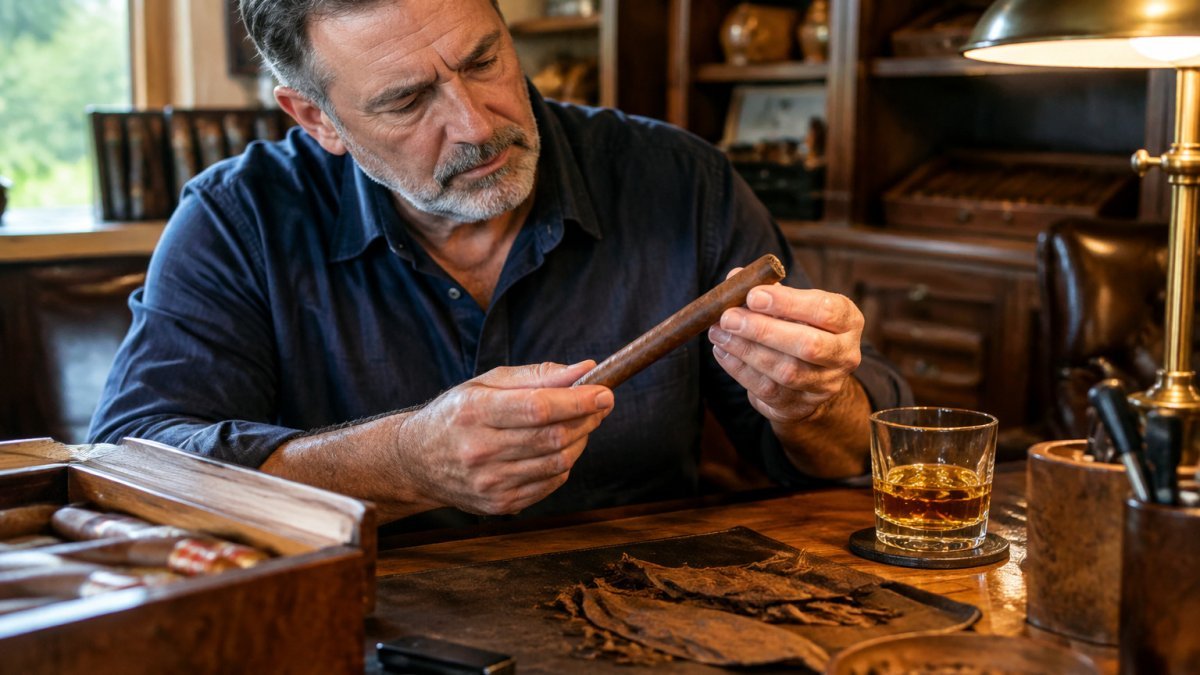
Before lighting, inspect the cigar. The pack should feel firm and even, with no soft spots that suggest gaps in the filler. The wrapper should be smooth with intact seams and a cleanly applied cap. Gently roll the cigar between your fingers; crackling or a loose feel can indicate dry tobacco or poor rolling. These checks take seconds and catch problems that tasting notes will never mention.
3. Ask About Age and Release Date
Boutique cigars are often released in small runs, and freshness matters. Ask the retailer when the current batch was rolled and how it has been stored since. A cigar that has rested properly after rolling tends to smoke smoother than one shipped immediately. If a release is several years old, ask how it was kept; age can improve a cigar or ruin it depending on conditions.
4. Confirm Retailer Storage
How a retailer stores cigars affects what you receive more than almost any other factor. Ask whether the shop keeps its inventory in a humidified environment and at what relative humidity. Cigars bought from a poorly stored shelf can arrive dry, cracked or harsh regardless of how good the blend is.
5. Compare Price Against What You Get
Boutique cigars often carry a premium per stick. Decide what that premium is buying: rarer leaf, smaller production, closer inspection, or simply exclusivity. A higher price does not guarantee a better smoke, and a lower price does not guarantee a worse one. Compare cost per smoking experience, not just sticker price, and factor in how much of each cigar you actually enjoy.
6. Buy a Single or a Small Sample First
Before committing to a bundle or a box of a limited release, buy one or two sticks. Batch-to-batch variation is real in small production, so a single cigar tells you about that batch, not the brand forever. If you like it, buy more from the same release and note the date so you can track consistency.
Watch out: buying a large quantity of a limited release before trying one stick can leave you with cigars you do not enjoy and cannot easily replace, since small runs may not be restocked.
7. Match the Cigar to the Occasion
A fuller-bodied cigar suits an evening session, while a milder one fits a shorter smoke. Consider the time you have, the setting, and your nicotine tolerance. A boutique cigar you savor slowly will usually deliver more value than a stronger one you abandon halfway.
Before you buy, these checks help you judge whether a boutique cigar is worth its price.
| Check | What to look for | Why it matters |
|---|---|---|
| Blend details | Named wrapper, binder and filler | Shows the producer is accountable |
| Filler type | Long filler | Burns more evenly and predictably |
| Pack feel | Firm and even, no soft spots | Signals no gaps in the filler |
| Wrapper | Smooth, intact seams, clean cap | Shows careful rolling |
| Release age | Ask when the batch was rolled | Freshness affects smoothness |
| Retailer storage | Humidified, stated RH | Poor storage dries cigars out |
| First purchase | One or two sticks | Tests batch variation before a bulk buy |
How to Store Cigars Without a Humidor
Not everyone owns a humidor, but cigars still need steady humidity to smoke well. A simple approach is to keep them in a sealed container with a humidity pack made for cigars, stored at a stable room temperature away from direct sunlight and heat. Avoid the refrigerator, since it dries cigars out and can introduce odors.
Check your cigars periodically. If they feel dry or brittle, a few days in a sealed container with a proper humidifier can help restore them. Keep the environment consistent rather than swinging between wet and dry conditions. Our complete guide to storing premium cigars covers the details step by step.
Choosing Your Next Boutique Cigar from Cabrera
Cabrera Cigars has spent more than 40 years in the premium cigar business. Our selection includes established names such as Oliva, PDR and Arturo Fuente, along with our own boutique bundles crafted in Nicaragua. Whether you want a trusted heritage blend or a small-batch cigar with distinctive character, our curated range gives you options at both ends of the spectrum.
If you are ready to explore, browse our boutique selection and find a cigar that fits your taste and occasion.
Frequently Asked Questions
What makes a cigar a boutique cigar?
A boutique cigar is usually produced in small batches by a smaller maker, often with hand-rolled construction and a narrower release schedule. The label itself has no legal definition, so the practical test is scale and handwork rather than a marketing term. Smaller production runs allow closer quality control and more experimentation with blends, though they can also mean limited availability and some batch-to-batch variation. Judge each brand on its production details, not just the word boutique.
Are boutique cigars worth the price?
Value depends on what you want from the smoke. Pricing varies widely by brand, size and quantity, so compare current prices directly on the retailer’s site rather than relying on averages. If you smoke rarely and want a distinctive flavor for a special occasion, the premium can be justified. Cabrera Cigars can provide current pricing and bundle details on request.
How should you store boutique cigars to preserve their quality?
Keep cigars in a stable, humidified environment. Avoid direct sunlight, heat and wide swings in temperature. Check the cigars periodically for dryness or mold, and keep them away from strong odors that can transfer into the tobacco.